A Practical Drone Buying Guide for First-Time Creators
A first drone should be easy to operate legally, small enough to carry, and capable enough for the shots you can actually plan. Flight habits matter more than cinematic specifications.
How this article was prepared
This article is based on comparative research, published product documentation, pricing review, and practical workflow analysis. We do not claim hands-on testing unless the article explicitly says so.
Read the editorial policyA drone adds a viewpoint that no handheld camera can easily reproduce, but it also adds airspace rules, weather, batteries, and a new safety routine. The best first model is not the one with the longest feature list. It is the one you can learn, carry, and operate responsibly.
Check the rules before the product page
Drone requirements vary by country, location, weight, and type of use. Review the current aviation authority guidance for registration, identification, operating categories, and restricted areas before buying. Commercial or paid work may have additional requirements.
Do not rely on a map screenshot saved months ago. Airspace and temporary restrictions can change.
Choose a size you will carry
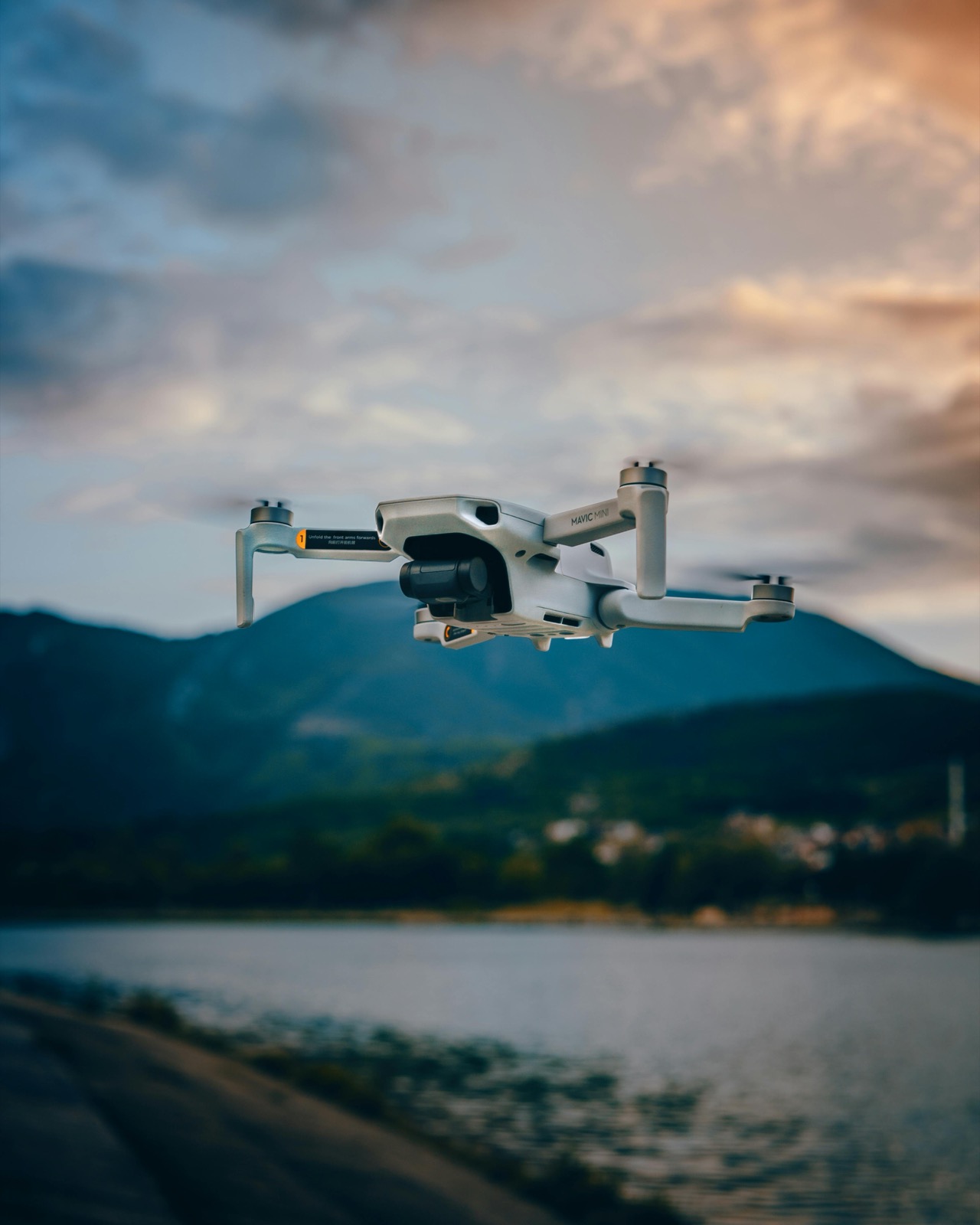
Compact drones are easier to put in a normal bag and less disruptive on location. Larger models may offer better performance in wind or more advanced camera options, but they require more transport and launch space.
Think about the full kit: aircraft, controller, spare batteries, charger, propellers, and a protective case.
Budget for batteries and practice
One battery rarely supports a relaxed outing. Include enough batteries for setup, practice, and the planned shots, with a margin for wind and safe return. Learn the controls in a wide, permitted area before filming near obstacles.
Plan shots instead of wandering
Create a short list before takeoff:
- Establishing view of the location
- Slow approach or pull-away
- One lateral movement
- A static high-angle composition
- A safe return path
Simple, deliberate movements are easier to use in an edit than constant direction changes.
Protect the footage
After landing, verify the files and follow a simple backup routine. Keep batteries in appropriate storage condition and inspect propellers before the next flight.
The first-drone decision
Choose a drone that fits the local rules, the bag, and the shots you can describe today. Prioritize stable operation, clear safety features, available batteries, and a workflow you will practice. A smaller aircraft flown carefully will create more usable footage than an advanced model that feels too demanding to launch.